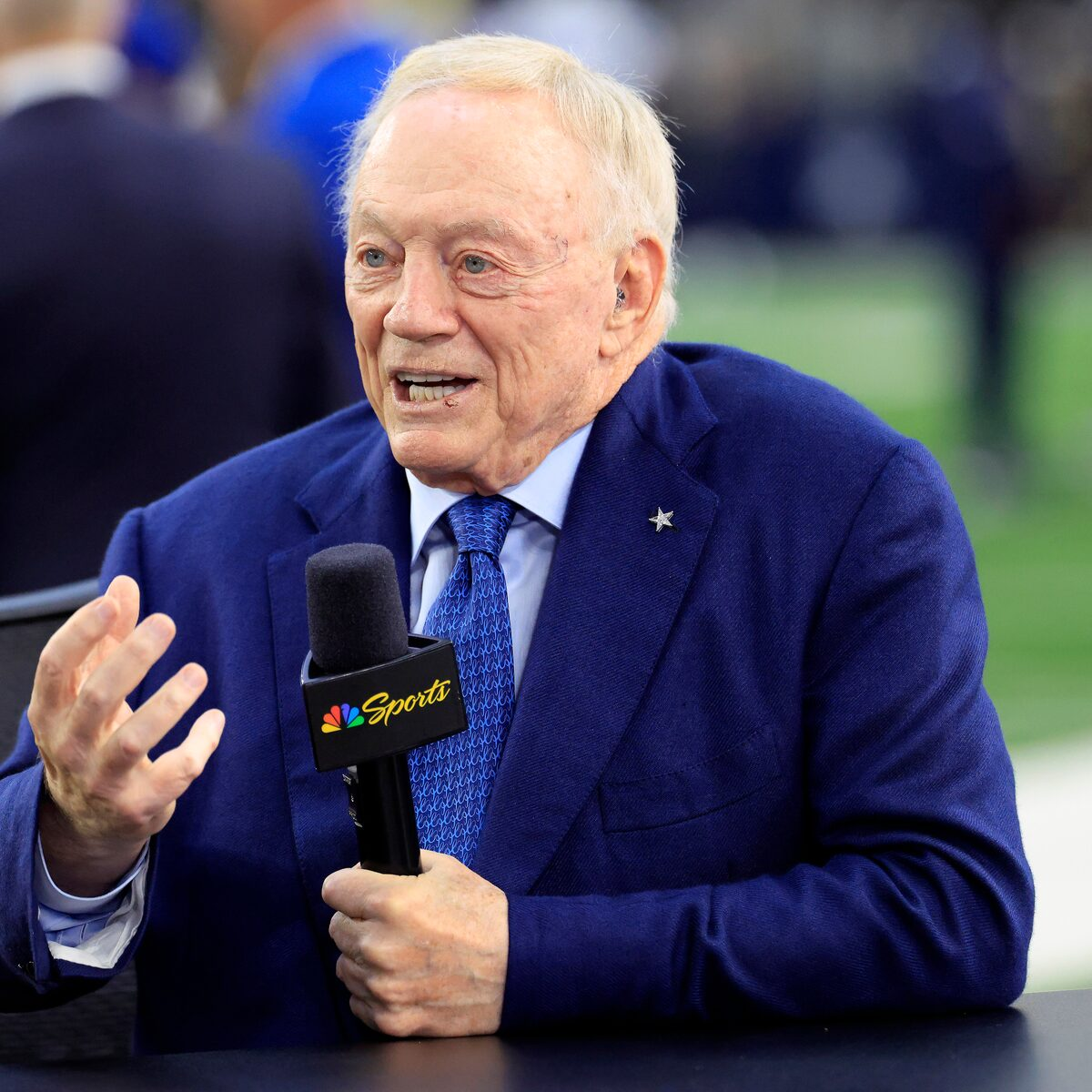
FRISCO, Texas — At 83 years old, Jerry Jones has already accomplished nearly everything an NFL owner could hope for. He transformed the Dallas Cowboys into the most recognizable brand in professional football, built a franchise worth billions, captured three Super Bowl titles, and secured his place in the Pro Football Hall of Fame. Yet despite all of that success, there is still one goal that continues to drive him every single day, and he has no intention of walking away before chasing it down.
Speaking during his end-of-season press conference, the longtime Cowboys owner delivered a deeply personal reflection on what still fuels his passion after more than three decades leading America’s Team. Jones made it clear that his ambitions have not faded with time. “My goal in life is to retire as the owner that won the most Super Bowls,” he said, a statement that quickly drew attention across the NFL.
For Jones, the objective is straightforward but incredibly difficult. He wants to surpass every owner in league history and leave the game with more championships than anyone else. At the moment, he trails Patriots owner Robert Kraft, whose six Super Bowl victories set the benchmark Jones is determined to reach.
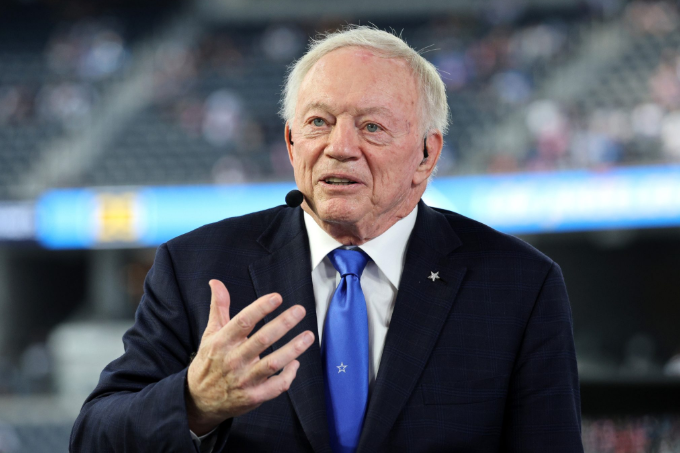
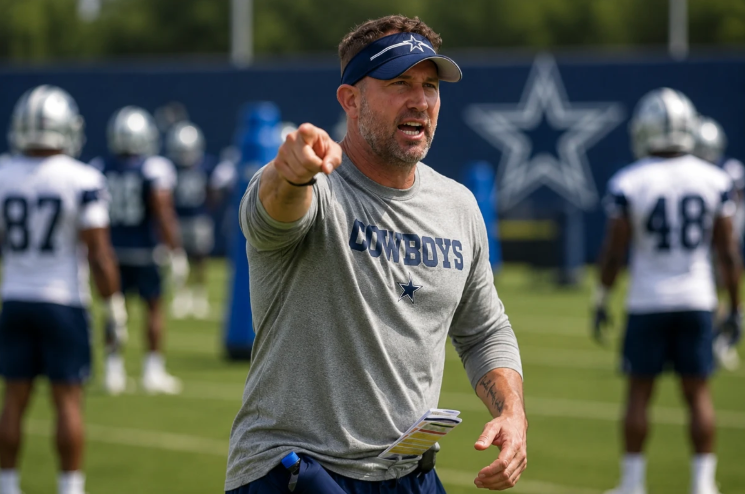
The challenge, however, is immense. The Cowboys have now gone 30 consecutive seasons without winning a Super Bowl and have not appeared in an NFC Championship Game since 1995. After finishing 7-9-1 in Brian Schottenheimer’s first year as head coach, Dallas once again found itself watching the postseason from home, a result that only added to the frustration surrounding the franchise.
That disappointment was particularly difficult because the offense showed real signs of being championship-caliber. Dak Prescott surpassed 4,000 passing yards, CeeDee Lamb continued to establish himself among the league’s elite receivers, and both George Pickens and Javonte Williams delivered career-best seasons. Together, they helped Dallas rank among the NFL’s most productive offensive units.
Unfortunately, the defense told a completely different story. The Cowboys allowed a franchise-record 511 points and struggled all season to generate consistent pressure, force turnovers, or make stops in critical moments. That collapse ultimately led to the dismissal of defensive coordinator Matt Eberflus and triggered yet another search for leadership on that side of the ball.
Despite these setbacks, Jones remains confident that Dallas is closer to contention than many believe. The Cowboys enter the offseason with significant draft capital, including two first-round picks—one from their own position and another acquired through the controversial Micah Parsons trade, a move that continues to divide the fan base.
Jones sees those assets as a chance to quickly reshape the defense. He pointed to players like Quinnen Williams, Kenny Clark, and Osa Odighizuwa as foundational pieces while expressing confidence that further improvements can be made through both the draft and free agency. Perhaps most notably, he hinted that the organization may finally be willing to spend aggressively, something fans have long demanded.
For years, the Cowboys have been criticized for avoiding major investments in free agency, but this offseason could mark a shift in philosophy. Jones acknowledged that recent roster decisions have created financial flexibility, giving Dallas the ability to pursue impact players who can contribute immediately.
His message was unmistakable: the Cowboys are not rebuilding—they are trying to win now. The organization still believes Dak Prescott can lead a championship contender, that the offense is already in place, and that fixing the defense could quickly change the trajectory of the franchise.
At an age when most executives would be reflecting on their legacy, Jerry Jones is still actively trying to build his. His pursuit is no longer about business success or franchise valuation; it is about championships, about chasing history, and about delivering one more Lombardi Trophy to Cowboys Nation before his time in the NFL comes to an end.
For Jerry Jones, the dream is still alive. The clock may be ticking, but the mission remains exactly the same.