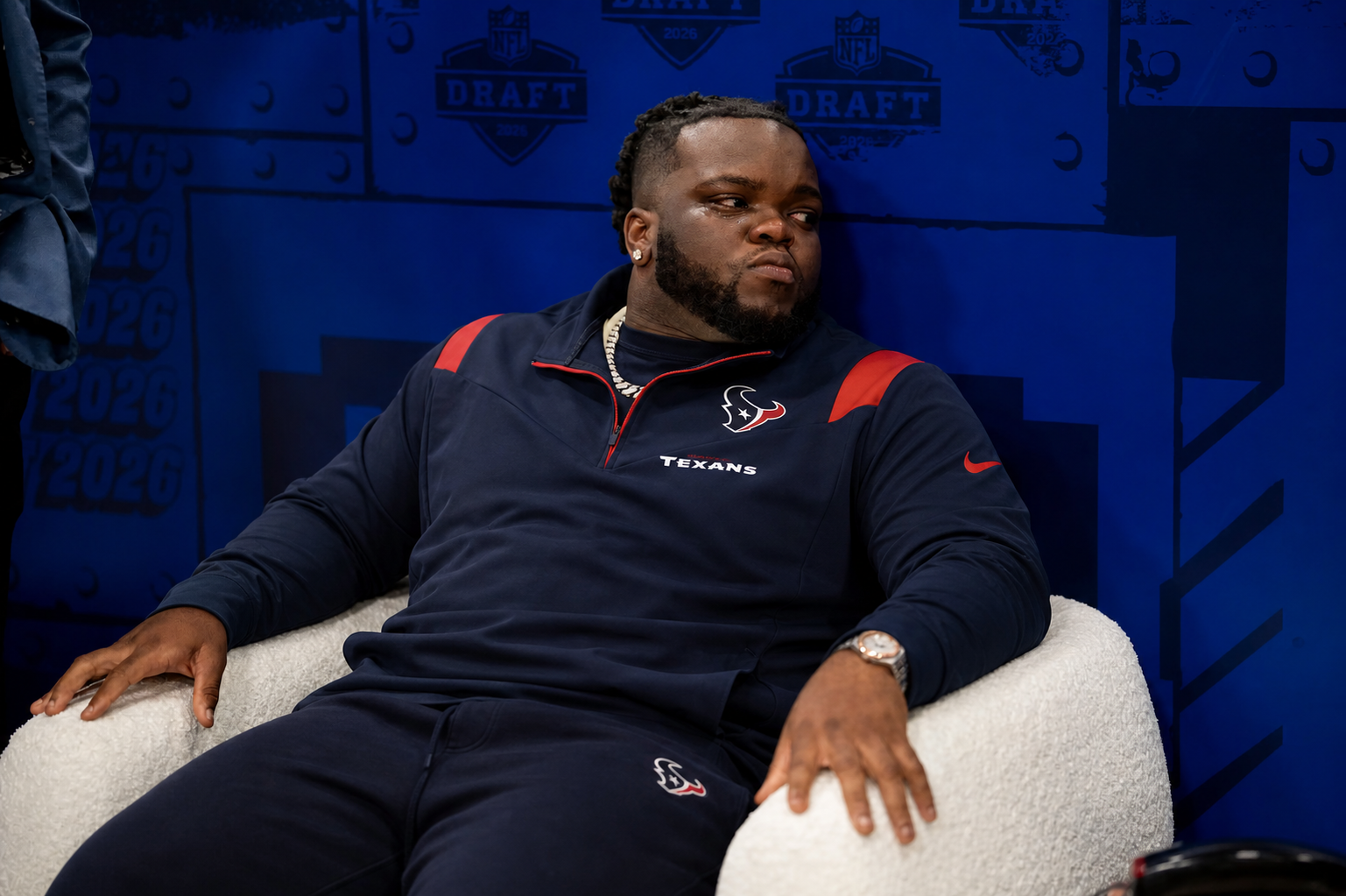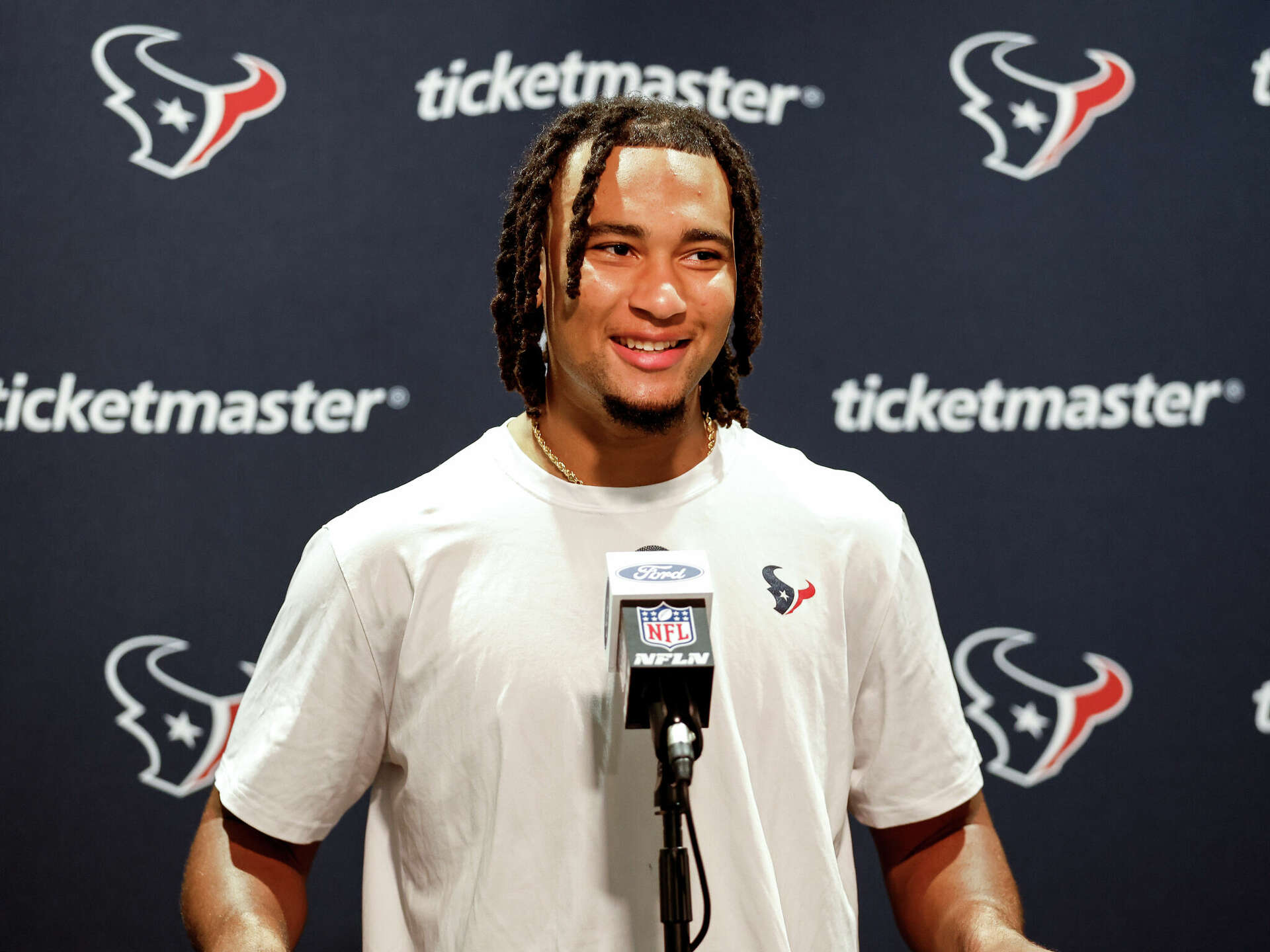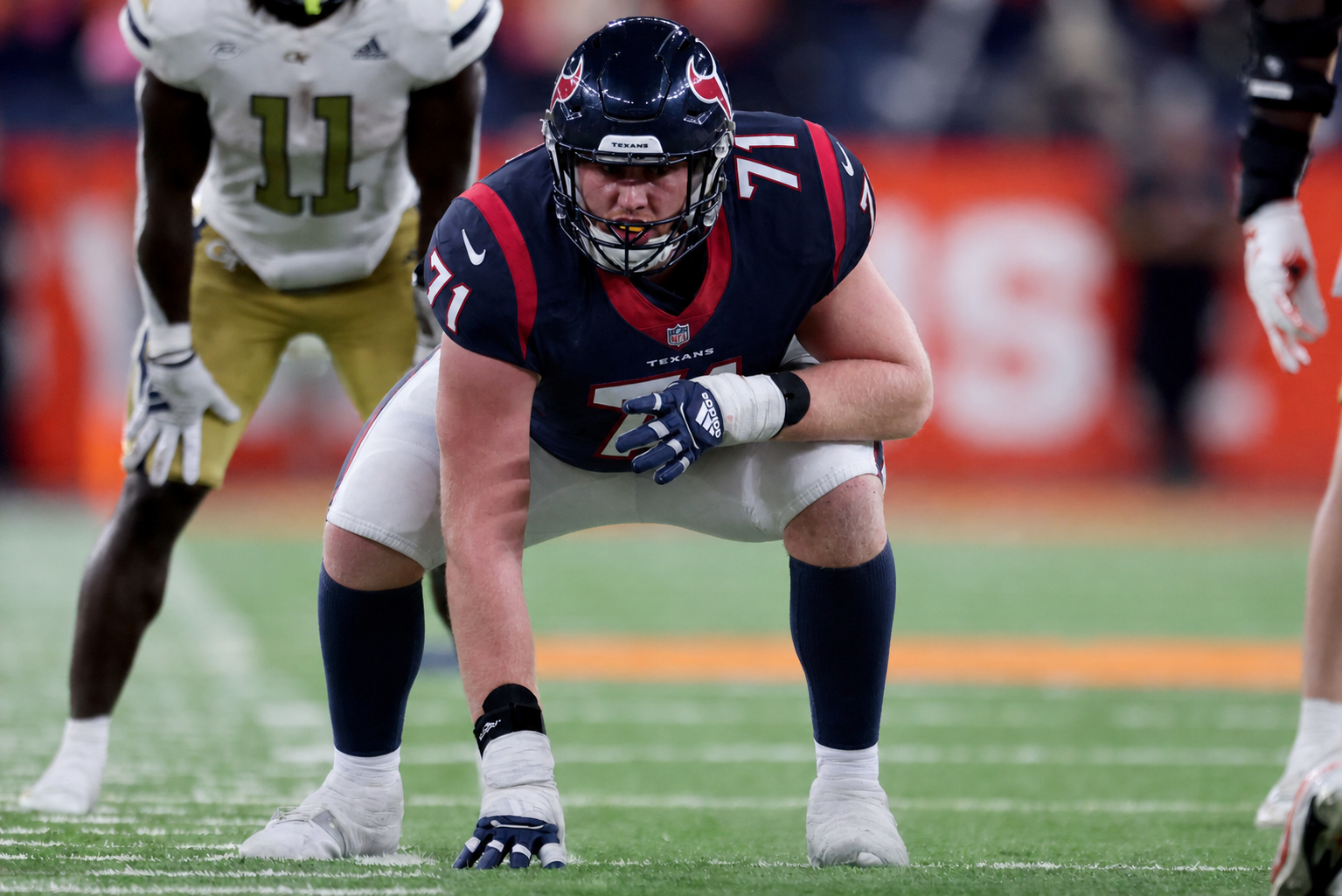
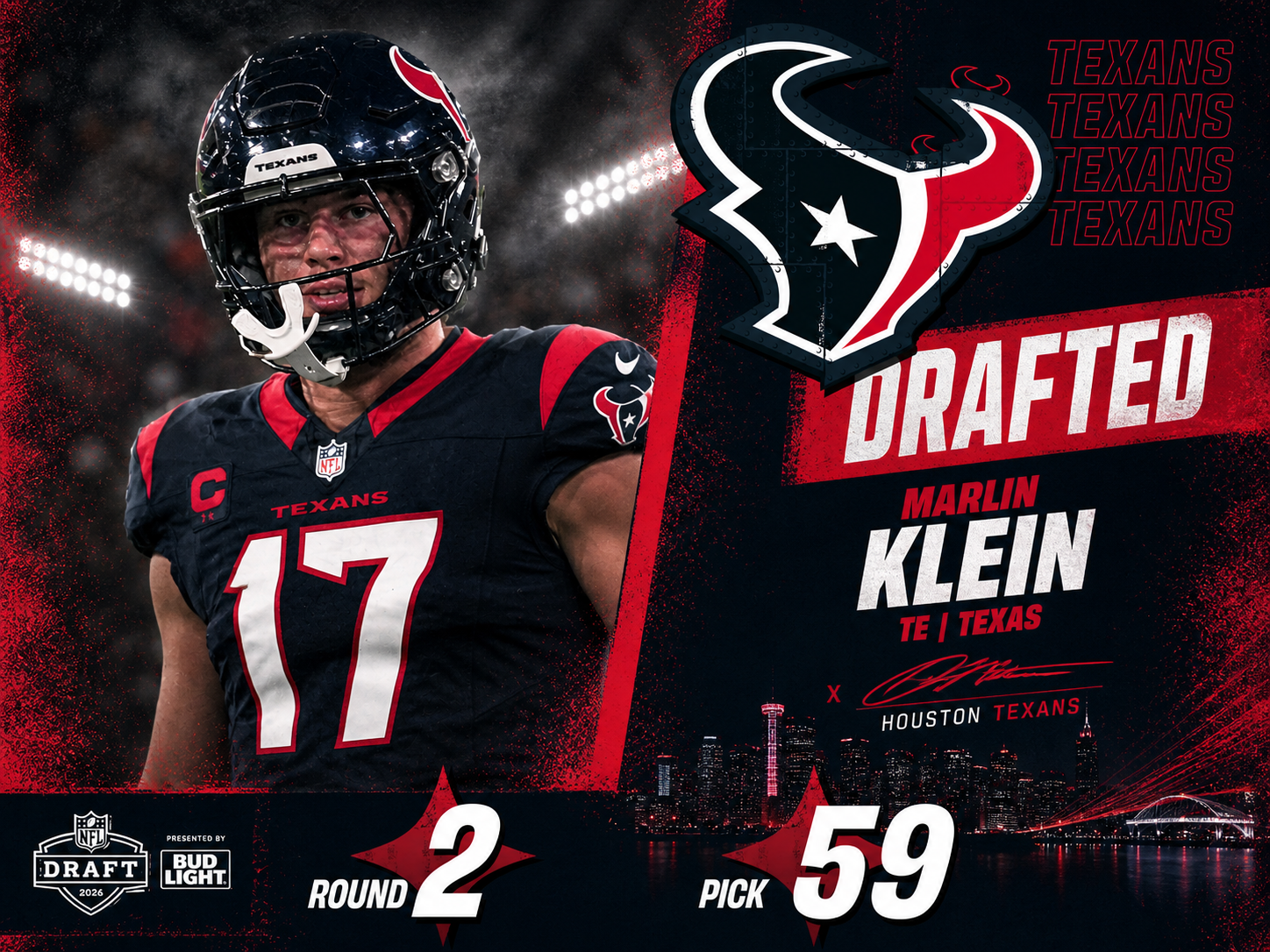
Houston Texans are facing an unexpected contract impasse with rookie tight end Marlin Klein, a second-round pick expected to contribute early in 2026.
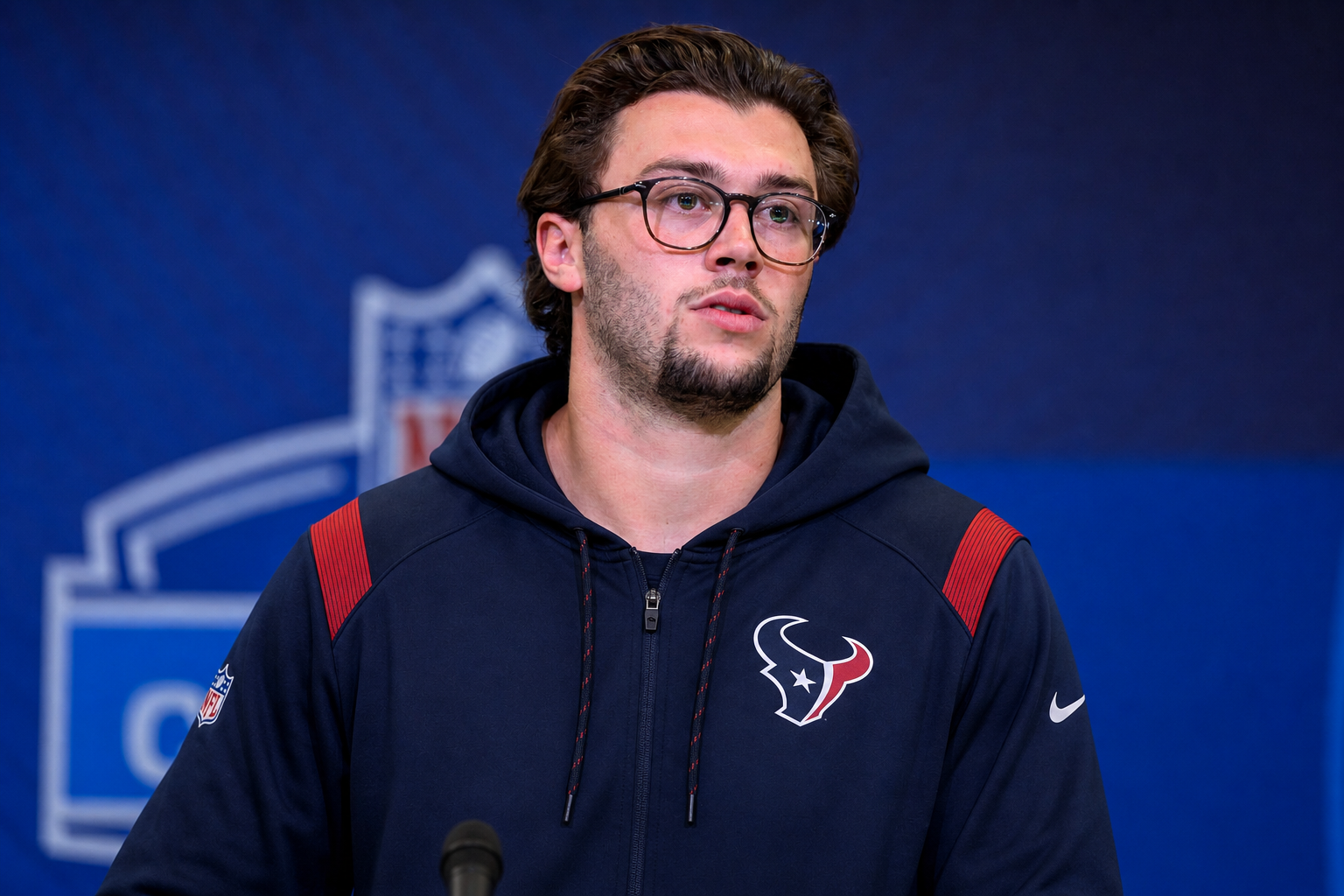
What was supposed to be a routine rookie agreement has instead become a noteworthy negotiation, reflecting broader tension around second-round contract guarantees.
Klein has been present around the team facility, but he has not fully participated in on-field practice work during the unresolved talks.
That distinction matters. For a rookie tight end, classroom learning cannot fully replace live repetitions against NFL defenders and complex coverage rules.
The dispute reportedly centers on contract structure, particularly guaranteed money, an increasingly important issue for players selected outside the first round.
Across the league, second-round picks have pushed for stronger financial protections as teams reconsider how much security rookie contracts should include.
For Houston, the timing is inconvenient. The Texans drafted Klein to add size, versatility and middle-field options to their developing offense.
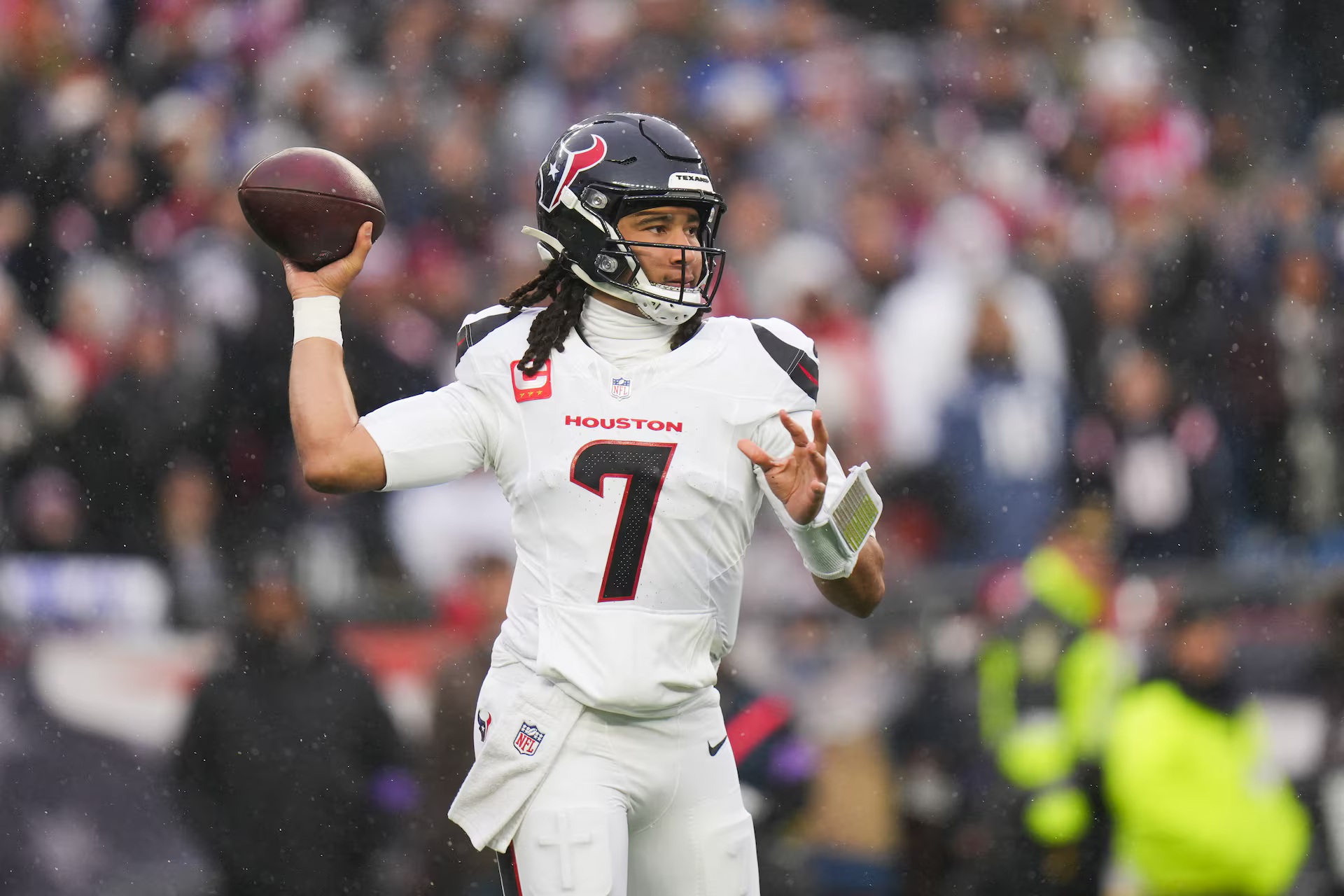
Quarterback C.J. Stroud’s growth remains the franchise’s central priority, and every new receiving option must develop trust within the timing-based passing game.
Tight end is also one of football’s most demanding transition positions, requiring route discipline, blocking technique and rapid recognition of defensive fronts.
Every missed practice rep delays Klein’s adjustment to Houston’s terminology, protections and situational packages, especially in red-zone and third-down concepts.
General manager Nick Caserio must weigh two competing priorities: protecting organizational precedent and accelerating the development of a premium rookie investment.
If Houston concedes too much, future draft picks and agents could view the deal as a new benchmark in negotiations.
If the team holds firm too long, it risks slowing the progress of a player selected to help immediately.
That balance is why these talks carry importance beyond one rookie contract. They also speak to Houston’s broader roster-building philosophy.
The Texans have spent recent years constructing a young offensive core around Stroud, emphasizing explosive skill talent and improved protection.
Klein’s projected role fits that strategy. His athletic profile gives Houston another option against linebackers, safeties and condensed-zone coverages.
Still, potential only becomes production through repetition. Chemistry with Stroud cannot be simulated from the sideline or meeting room alone.
Neither side appears eager to surrender leverage, which leaves the situation without a clear timetable for resolution.
For now, the Texans must manage patience carefully while avoiding unnecessary disruption during a critical stage of rookie development.
A timely compromise would serve both sides, allowing Klein to rejoin full work and giving Houston’s offense a better chance to evolve.